Australian design feels different mainly because it’s more practical.
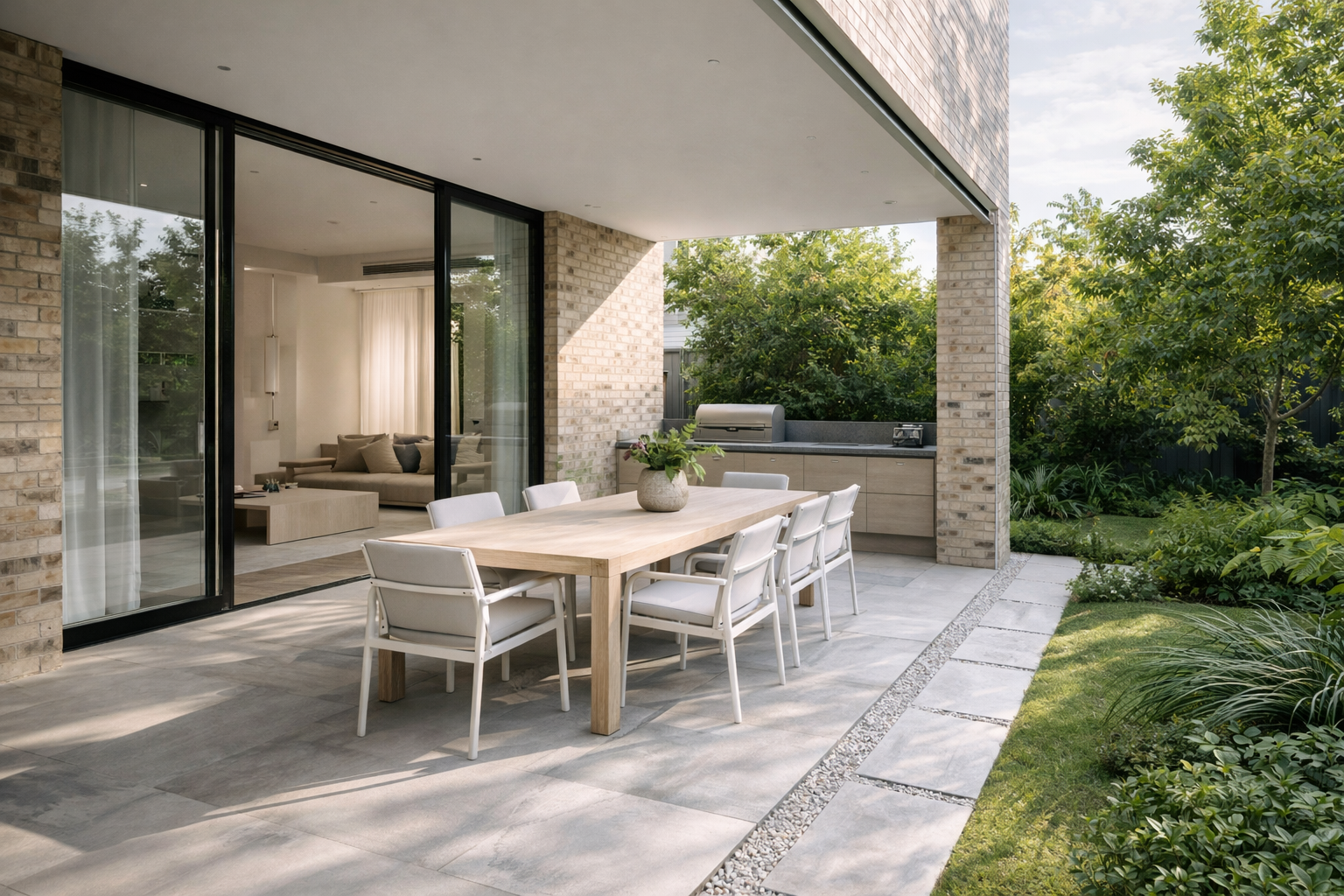
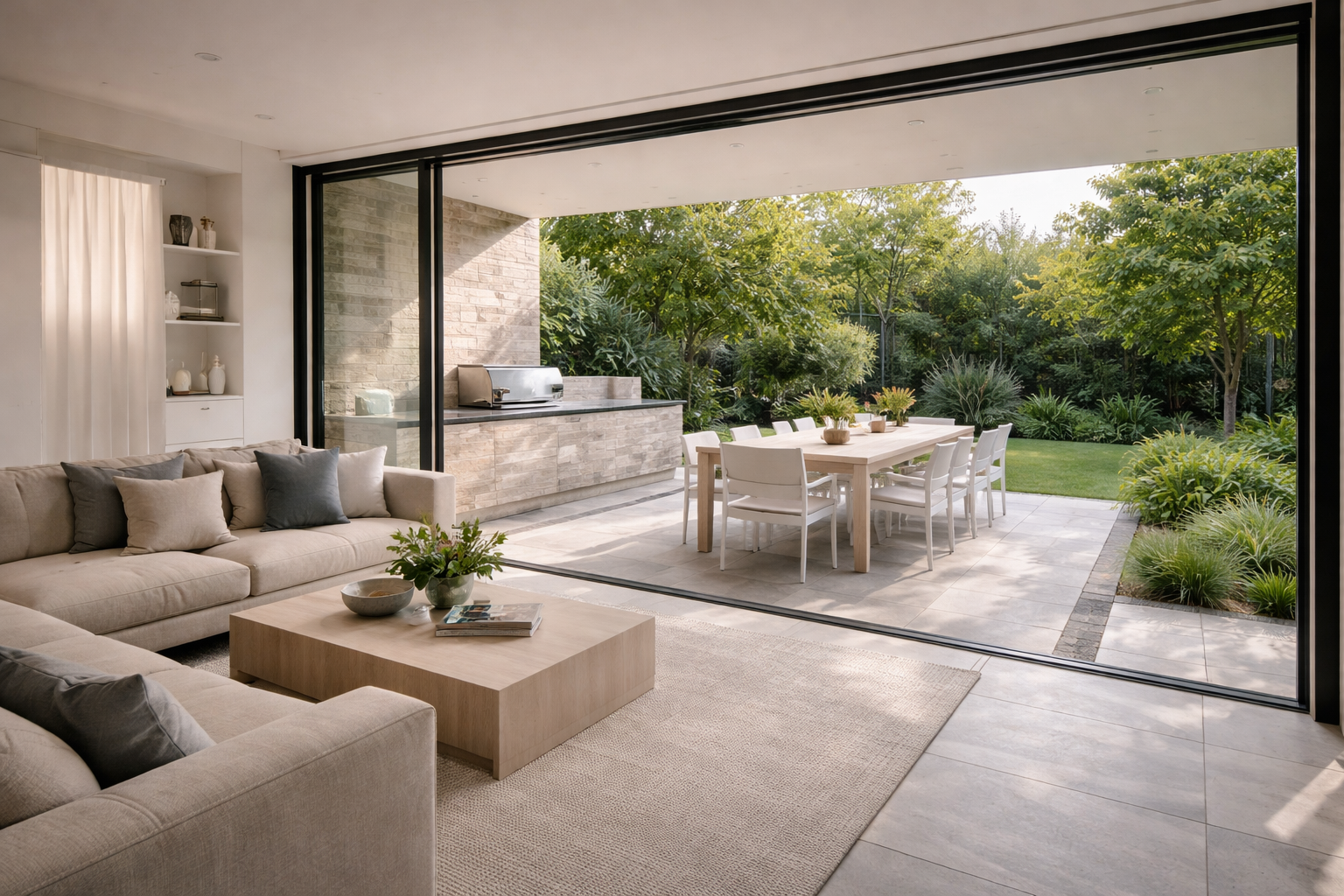
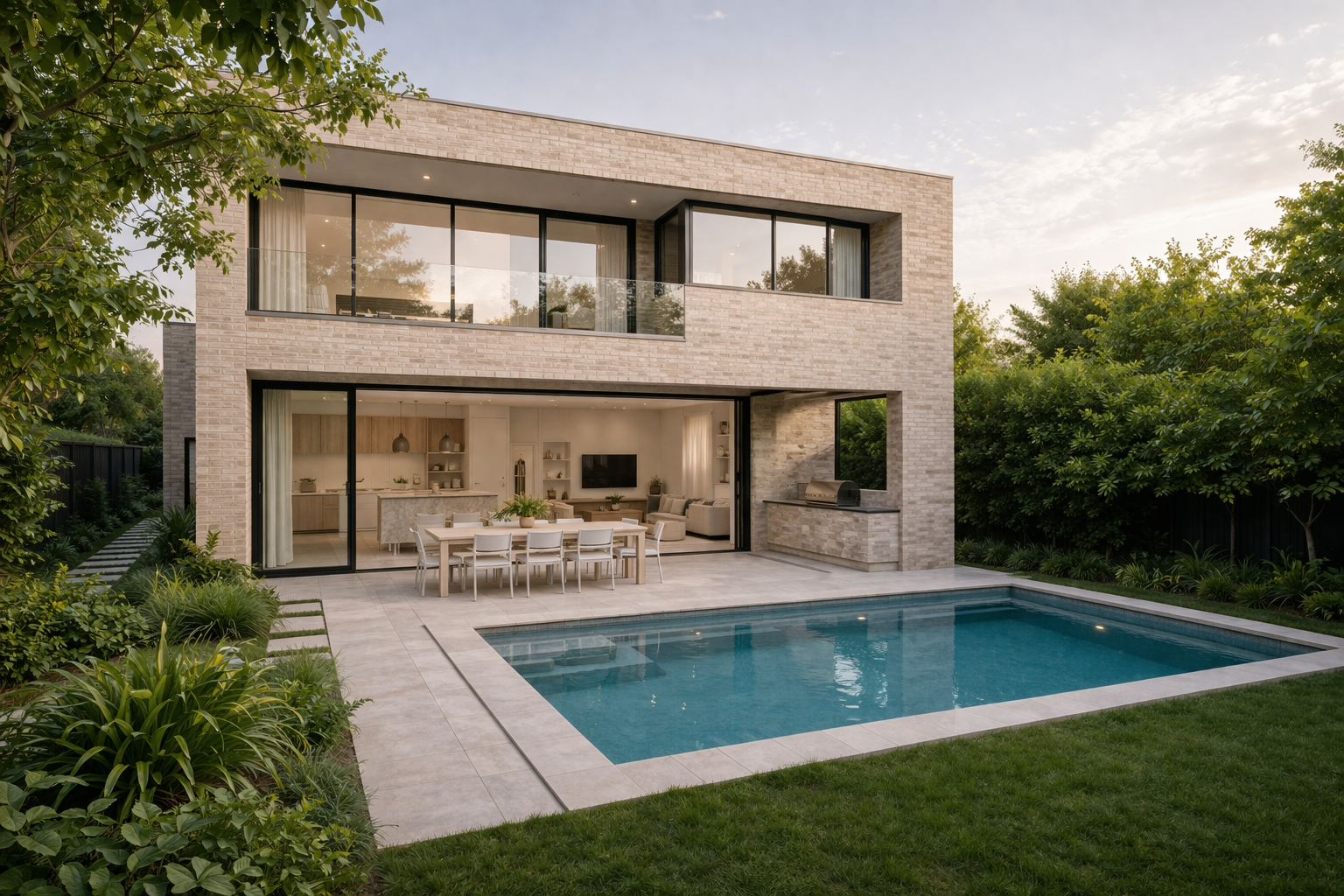
Spaces are designed to work in real conditions—natural light, temperature changes, and the constant connection between indoor and outdoor areas.
That has a direct impact on how materials are selected from the beginning.
There’s also less tendency to overcomplicate things.
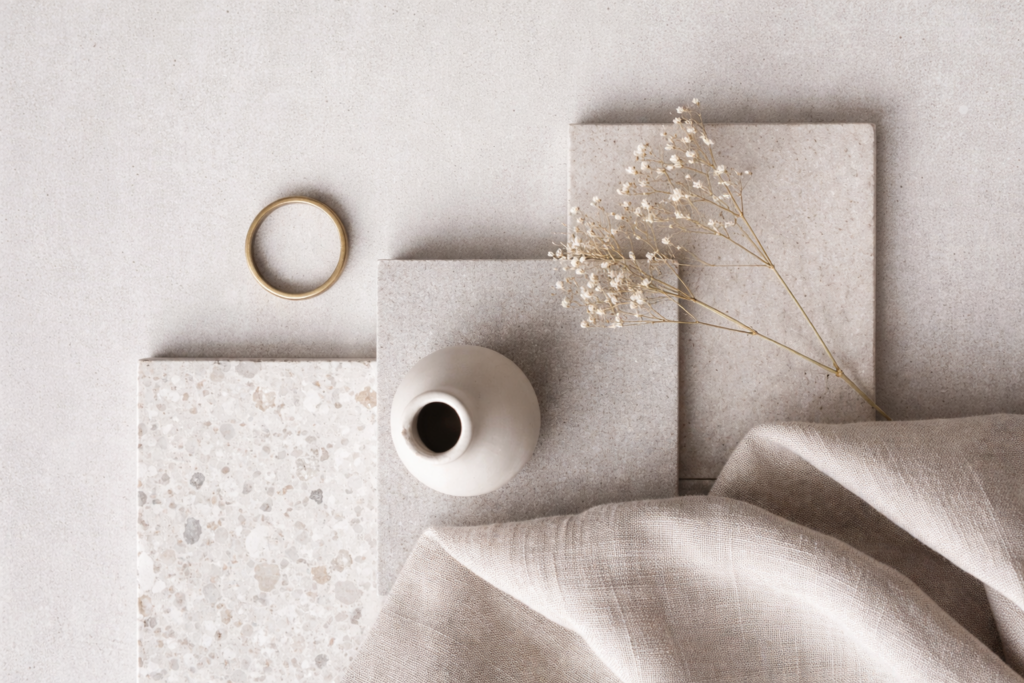
Projects often rely on fewer materials, used consistently and with a clear purpose.
That reduces conflicts during execution and creates cleaner, more controlled results.
Another difference is how early performance is considered.
Materials are not chosen only for their appearance, but for how they will behave over time.
Durability, maintenance, and adaptability are part of the decision, not an afterthought.
This approach also affects execution.
With simpler palettes and more exposed surfaces, there’s less room to hide mistakes.
Details need to be resolved properly, which usually leads to better coordination on site.
It’s not that the design is radically different.
But the way decisions are made is more direct and more focused.
And in the long term, that tends to produce better projects.