
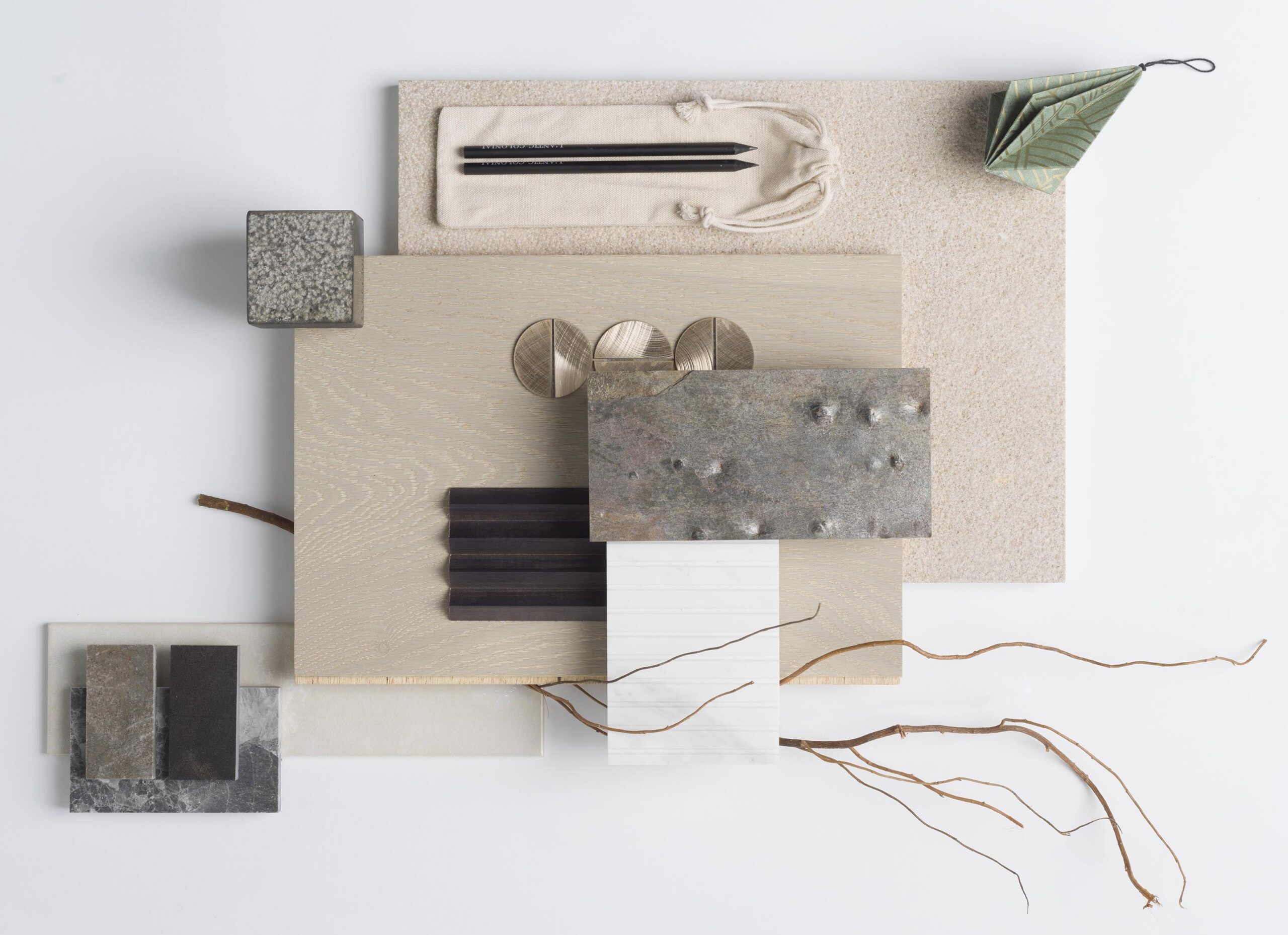


What Really Happens Between Selection and Execution
Selecting a material is often seen as a final decision.
In reality, it’s just the beginning.
Behind every approved sample, there’s a complex process that most people never see—coordination, logistics, timing, and constant communication between multiple teams. What looks like a simple choice on a table can quickly turn into a chain of decisions that impact the entire project.
A sample might look perfect in a showroom, but that doesn’t guarantee it will perform the same way on site. Scale, lighting, application, and technical requirements all play a role. This is where many projects start to face challenges—not because of design, but because of execution.
From that point forward, everything matters.
Lead times need to align with construction schedules. Stock availability has to match project demands. Shipments must arrive on time, in the right quantities, and without errors. Any small misalignment can delay timelines, increase costs, or force last-minute changes.
This is why the transition from sample to project is critical.
It requires more than good design—it requires precision, planning, and experience. It’s about understanding not only how a material looks, but how it moves, how it’s produced, and how it fits into the broader scope of the project.
In my experience, the difference between a smooth project and a problematic one often comes down to this phase.
Not the idea.
Not the design.
But the execution behind it.
Because at the end of the day, a sample doesn’t build a project.
Execution does.